
 Through weeks of snow and ice, One World’s in-school program has been heating up in the classrooms of more than 32 Washington, DC public middle schools, high schools, and adult learning centers.
Our afterschool program, the One World Academy, now has students from 17 schools, including two Hub locations in Wards 7 and 8. We’re excited that students from Statesmen College Prep will be participating in the next Challenge.
Would you like to see more? Get involved? Read on for ways to see One World’s impact in action.
Excellence on Display
Twice a year, we lead our signature One World Challenge, where our middle school student writers showcase their essays and oral presentations. We invite you to join us on April 24th to be inspired and to see what happens when we invest in exceptional afterschool programs. New this spring will be our first class of alumni students serving as One World Mentors, as well as an additional school from Ward 8. RSVP now!
Seeing is Believing
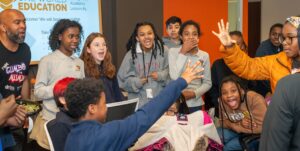 Have you seen the One World Challenge and want to see the programming that led to it? Visit a One World Academy session any Tuesday or Thursday evening from 5:00-7:00 and see our students learning in small and large groups, and meet our incoming Executive Director, Summer Xavier. Contact our Grants Manager, Hayleigh Santra to arrange a visit.
Volunteer With One World
 We would love to have you volunteer as a Challenge Judge! Volunteers score student presentations and provide individualized feedback as students compete for scholarships.
We also have volunteer opportunities throughout April to serve as a Feedback Coach to students who are practicing their presentations for the Challenge. We have in-person and virtual opportunities, and your thoughtful guidance and encouragement makes a huge difference to our students.
If you are interested, please email our Grants Manager, Hayleigh Santra. You will be inspired, make an impact, and have a great time!
Featured Student Writing
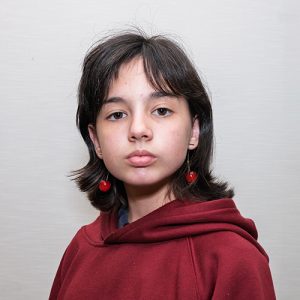 Washington Latin Cooper PCS 6th-grader Eve Trujillo explains how Native American reservations face injustice and complex problems compared to the rest of the United States. She argues that Congress should work more closely with Native leaders to improve funding and communication, and the Department of Justice should treat reservation crimes like any others in the United States. Read more.